Tamarindo
Tempate


Imagine owning a piece of one of Costa Rica’s most vibrant coastal towns. Tamarindo, located in the province of Guanacaste, offers prime land investment opportunities for those seeking a slice of paradise. This guide explores the real estate landscape, legal framework, and lifestyle benefits of acquiring land in this sought-after destination.
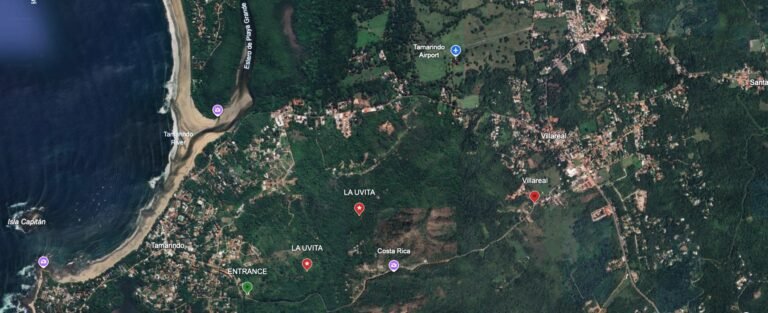
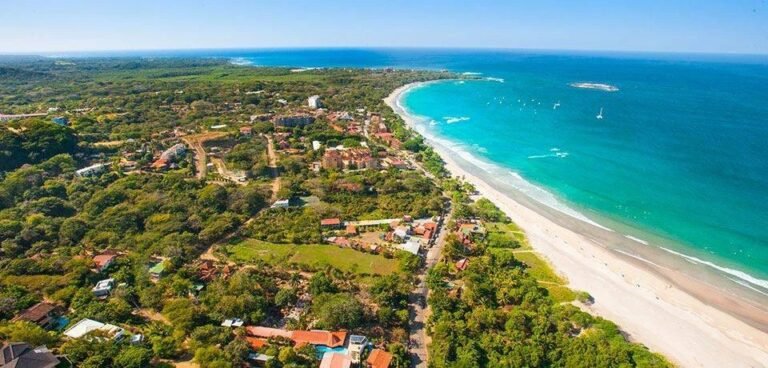
For investors seeking a premier Costa Rica real estate investment, the prime Tamarindo land market in Guanacaste property stands out as a remarkably solid choice. Located in the Santa Cruz canton, the area around Tamarindo beach has evolved from a quiet fishing village into a bustling hub, driven by consistent tourism growth.
The economic stability of investing here is underpinned by several key factors:
Beyond the numbers, the lifestyle is a major draw. The vibrant expat community provides a ready-made social network, making it easier for foreign investors to settle in. The promise of a pura vida lifestyle—with world-class sport fishing, turtle nesting tours, and access to nearby national parks—adds intangible value that translates into long-term desirability.
When considering prime Tamarindo land, it is crucial to conduct thorough due diligence. This includes verifying property titles at the Registro Nacional and understanding local zoning laws, especially for parcels near the coast which may involve concesión marítima terrestre (coastal concession) regulations. However, for those who navigate the process correctly, investing in Guanacaste property here represents a strategic move into one of Costa Rica’s most dynamic and profitable markets.
For foreigners considering Costa Rica land ownership, the legal framework is surprisingly favorable. The country’s constitution grants foreigners the same property rights as citizens, with a few key exceptions related to maritime zones. Understanding the specific property laws for foreigners in a popular area like Tamarindo is essential for a secure investment.
The most critical concept to grasp is the difference between propiedad plena (full ownership) and a concesión marítimo-terrestre (maritime-terrestrial concession).
When purchasing titled land, the process involves thorough due diligence conducted by a reputable local attorney. Key steps include:
For a concession property, the process is more complex. Your attorney must verify the concession is active, in good standing, and that the transfer is approved by the local municipality and the Costa Rican Tourism Institute (ICT). It is crucial to understand you are purchasing the rights to the improvements on the land (the house or structure) and the concession rights, not the land itself.
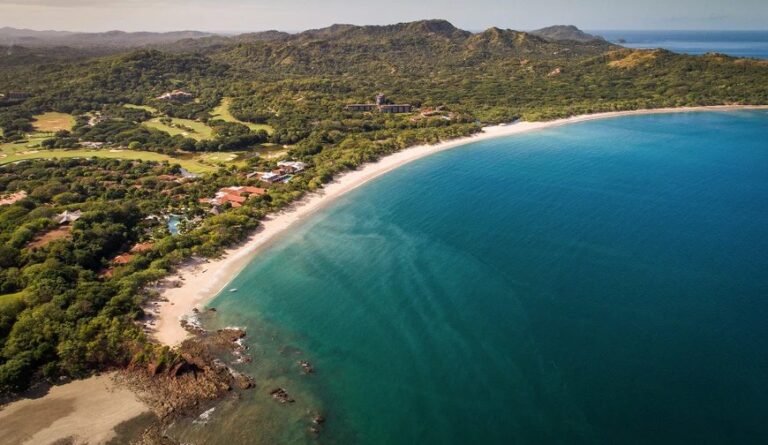
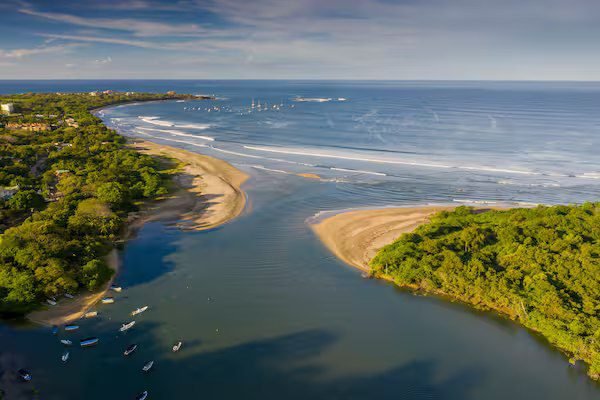
Investing in land in Tamarindo is more than a financial decision; it’s a step towards a pura vida lifestyle. With its stunning beaches, thriving community, and strong real estate market, this area represents a prime opportunity. By understanding the local laws, market trends, and development potential, you can make an informed investment in your own piece of Costa Rican paradise.