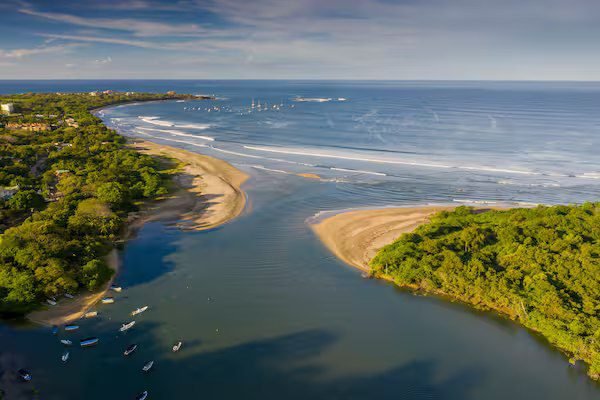
Investing in Costa Rican beach properties offers a unique blend of natural beauty and financial potential. From the bustling surf town of Tamarindo to the pristine shores of Finca la Uvita, this guide explores the key factors that make these locations prime for real estate investment. We will cover market trends, legal considerations, and the distinct advantages of owning property in Costa Rica’s coastal zones.
Understanding Costa Rica Beach Property Investment
Costa Rica beach property investment offers a unique opportunity for those seeking both a tropical lifestyle and a sound financial asset. The country’s stable democracy, absence of a standing army, and strong environmental protections create a secure and predictable environment for foreign investors. This political stability, combined with consistent tourism growth, directly fuels the real estate market and supports the long-term appreciation of property values.
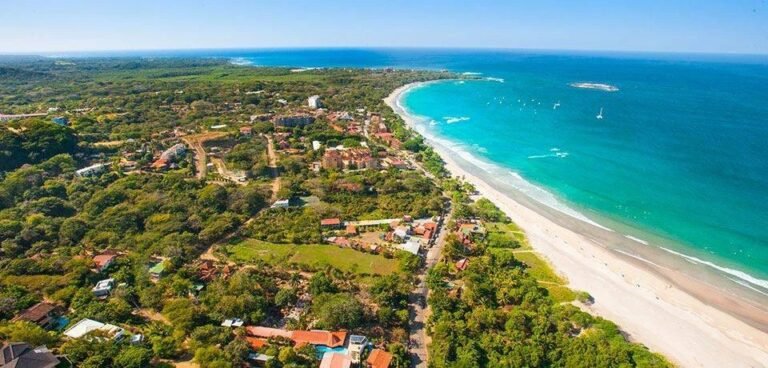
The Pacific coast, particularly in Guanacaste province, is a prime focus for investment. Towns like Tamarindo have evolved from quiet fishing villages into vibrant hubs with world-class surfing, dining, and a robust rental market. Here, you will find a mix of property types:
- Beachfront homes and condos, which often operate under a coastal concession (concesión marítima terrestre) and offer high rental income potential.
- Condos in gated communities, which provide a low-maintenance option with shared amenities and strong rental demand from tourists.
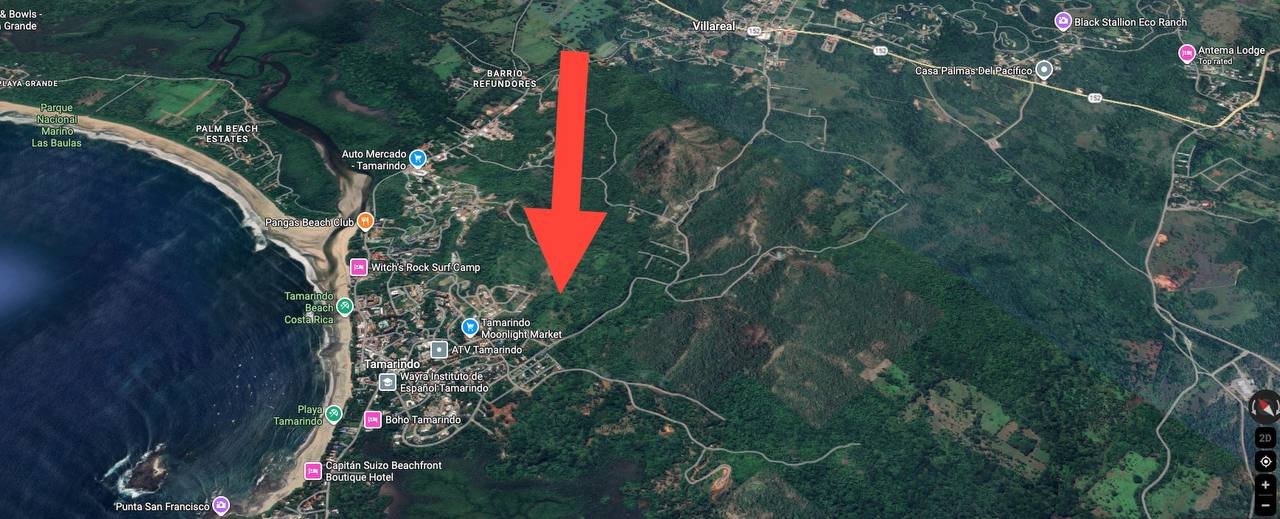
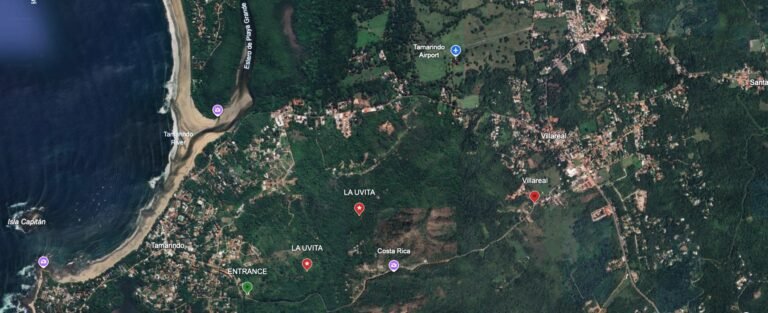
- Raw land, such as a property like Finca la Uvita, which allows for custom development from the ground up, often with more straightforward propiedad (full ownership) rights.
A crucial step in any transaction is conducting thorough due diligence at the Registro Nacional. This official registry verifies the seller’s legal ownership, confirms there are no liens or encumbrances on the propiedad, and ensures the property is correctly zoned. For foreigners, Costa Rica offers attractive residency incentives linked to real estate investment, further enhancing its appeal as a profitable and safe destination for your capital.
- Investing in Tamarindo real estate investment opportunities places you in one of Costa Rica’s most dynamic and established beach town markets. Located in the Santa Cruz canton of Guanacaste province, the area is governed by local municipal regulations and, for beachfront properties, the national coastal concession law, requiring thorough due diligence.
- The heart of the area is Playa Tamarindo, a renowned destination that drives consistent, high rental income potential. The town’s mature tourism infrastructure, including a wide array of restaurants, banks, supermarkets, and medical services, ensures a steady stream of international visitors year-round.
- Property types for investment are diverse, catering to different strategies:
- Luxury villas with private pools and ocean views command premium rental rates, especially during the dry season from November to April.
- Commercial spaces in the town center are highly sought after for retail, dining, and tour operations, benefiting from the constant foot traffic.
- Condominiums and smaller residential properties also offer strong returns due to high rental demand from tourists and expatriates.
- Accessibility is a key advantage, with the Daniel Oduber Quirós International Airport in Liberia (LIR) located just under an hour’s drive away. This proximity facilitates easy travel for owners and tourists alike, directly supporting the robust rental market.
- The pervasive surf culture significantly enhances property appeal. Tamarindo is a world-class surf destination, attracting a loyal, returning demographic that seeks long-term stays, thereby stabilizing and increasing rental income potential for property owners.
- Beyond immediate cash flow, Tamarindo real estate investment is characterized by strong appreciation potential. The limited supply of prime, titled land within the fully developed town center, combined with continuous demand, has led to consistent long-term capital growth, making it a cornerstone for a solid Costa Rican investment portfolio.
- Investing in Finca la Uvita property offers a unique opportunity in Costa Rica’s Puntarenas province, specifically within the biodiverse Osa Peninsula. This region is renowned for its pristine natural environments and is a prime location for eco-friendly development.
- The property consists of undeveloped land, presenting a blank canvas for sustainable projects. As raw land, it often comes with a lower entry cost compared to developed areas, making it an attractive investment for those looking to enter the market.
- The Osa Peninsula is a hotspot for conservation, and many parcels, including those in Finca la Uvita, may be adjacent to or part of designated conservation areas. This enhances its appeal to eco-conscious buyers who value environmental stewardship.
- Growth potential in this emerging area is significant, bolstered by upcoming infrastructure improvements in the Southern Zone. These developments are expected to increase accessibility and property values over time.
- Prospective investors must conduct thorough due diligence. This includes verifying zoning laws (plan regulador) with the local municipality, which dictate permissible land uses. Environmental regulations, such as those from SETENA (Secretaría Técnica Nacional Ambiental), are strict and mandatory for any development to ensure it aligns with Costa Rica’s sustainability goals.
- Coastal areas may also involve navigating the coastal concession (concesión marítima) process if the land is within the maritime zone, adding another layer of regulatory consideration.
- By investing in a Finca la Uvita property, you are positioning yourself in a growing market with strong potential for appreciation, driven by the global demand for sustainable and eco-friendly real estate in one of Costa Rica’s most treasured landscapes.
Understanding coastal property laws Costa Rica is essential for any prospective buyer. The fundamental concept governing beachfront areas is the Zona Marítimo Terrestre (ZMT), a 200-meter-wide strip of land measured from the high tide line. The first 50 meters of this zone, from the high tide line inland, is public domain and cannot be owned privately. The next 150 meters, known as the “restricted zone,” is where the unique system of concesión marítimo-terrestre applies.
Tamarindo A Premier Investment Destination
Instead of outright ownership, individuals or entities can obtain a concesión, or concession, from the local municipality, granting them specific usage rights for a set period, typically 5 to 20 years, and renewable. This system directly impacts your property rights, as you do not hold a fee simple title to the land itself but rather a right to use it. The concession is subject to specific regulations and can be revoked by the state if terms are violated.
Finca la Uvita Emerging Opportunities
For properties located outside the ZMT but still considered “beachfront,” standard property rights under the Costa Rican Civil Code apply, meaning you can hold a fee simple title registered at the Registro Nacional. However, due to the complex and dynamic nature of coastal zones, even properties just outside the ZMT require careful verification to ensure they are not inadvertently within it.
Legal Framework for Coastal Properties
Foreigners have the same rights as Costa Rican citizens to hold a concession, but many choose to purchase through a legal structure for liability or estate planning purposes. The two most common structures are:
- Corporations (Sociedad Anónima): A Costa Rican corporation can be the holder of a concession or titled property. This structure offers liability protection.
- Fideicomisos (Trusts): A bank trust can be established where the bank acts as the legal titleholder or concession holder for the benefit of the foreign investor, providing an additional layer of security and ease of inheritance.
Regardless of the structure, rigorous due diligence is non-negotiable. The critical steps for verifying a property’s legal status involve the Registro Nacional:
- Obtain a Informe Registral (Property Report) to confirm the current registered owner, the property’s boundaries, and that the title is free of liens, mortgages, or embargos (seizures).
- For concessions, verify the active concession contract with the municipality, its expiration date, and that all annual canon (fee) payments are current.
- Check for any derechos de posesión (squatter’s rights) claims that could challenge ownership.
Given the intricacies of coastal property laws Costa Rica, working with a reputable local abogado (attorney) specializing in real estate is imperative. A qualified lawyer will navigate the Registro Nacional, interpret the status of a concesión marítimo-terrestre, and ensure your property rights are fully protected throughout the acquisition process.
- Select high-demand locations to maximize your real estate investment returns Costa Rica. Focus on established beach towns in Guanacaste (e.g., Tamarindo, Playas del Coco) and the Central Pacific (e.g., Jacó, Manuel Antonio), where tourism is strong and infrastructure is developed. Proximity to amenities, beaches, and national parks significantly boosts rental appeal and long-term capital appreciation.
- Partner with a reputable local property management company for effective rental management. A good manager handles guest check-ins, cleaning, maintenance, and 24/7 support, which is essential for positive reviews and repeat bookings. They understand local regulations, including the mandatory property tax (typically 0.25% of the registered property value) and can help you navigate the process.
- List your property on major rental platforms like Airbnb, VRBO, and local Costa Rican sites. Use professional photography and highlight unique features (ocean views, private pool) to stand out. Dynamic pricing strategies, adjusted for high season (December-April) and local holidays, optimize occupancy rates and income.
- Understand the tax landscape. Costa Rica’s property tax is low, but it must be paid annually to the municipality. For capital gains, if you sell a property held for less than the plazo mínimo (often interpreted by tax authorities), the gain may be taxed as income. Always consult a local abogado (lawyer) or accountant for the latest rulings from the Ministerio de Hacienda.
- Prioritize property maintenance to protect your asset’s value. The salty, humid coastal environment requires regular upkeep—painting, pest control, and appliance checks. A well-maintained property commands higher rental rates, suffers less downtime, and appreciates more reliably over time.
- Consider market timing for purchase and sale. Buying during the low season or in emerging areas (like the Southern Pacific Zone) can offer better entry prices. Selling after significant infrastructure improvements or during a peak in tourism demand can maximize your capital appreciation.
- Enhance long-term value through strategic improvements. Adding features like a rancho (outdoor dining area), upgrading kitchens and bathrooms, or installing sustainable elements (solar panels, rainwater harvesting) can significantly increase both rental income and resale value, directly boosting your real estate investment returns Costa Rica.
Maximizing Returns on Your Investment
Investing in Costa Rican beach properties presents a compelling opportunity for those seeking both lifestyle and financial returns. Key takeaways include:
- The enduring appeal of established markets like Tamarindo and emerging areas such as Finca la Uvita
- The importance of understanding concesión marítimo-terrestre and other legal frameworks
- The role of tourism and infrastructure in driving property values
- The benefits of working with local experts to navigate the purchase process
- The long-term growth potential supported by Costa Rica’s stable economy and eco-tourism focus