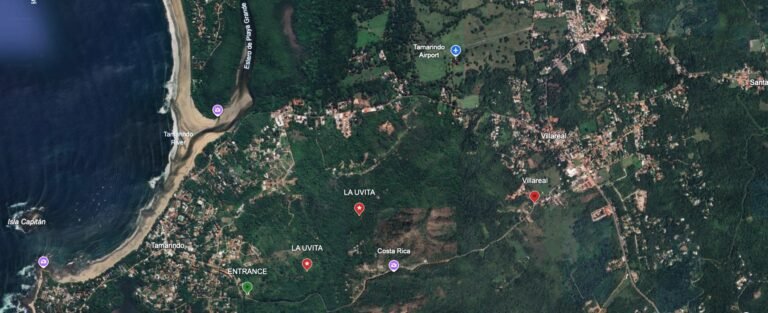
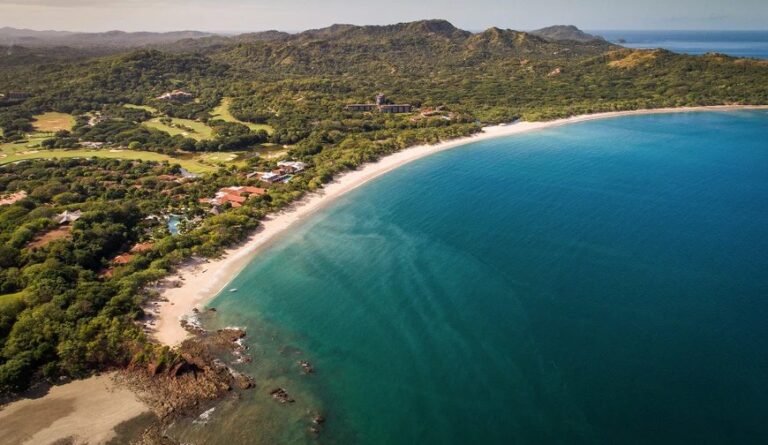
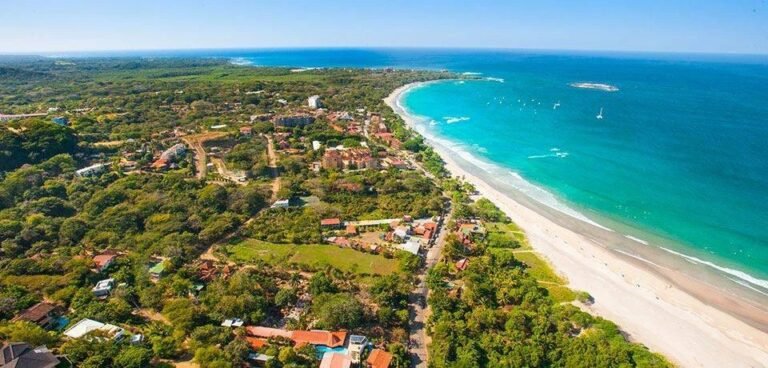
Tamarindo

Tempate


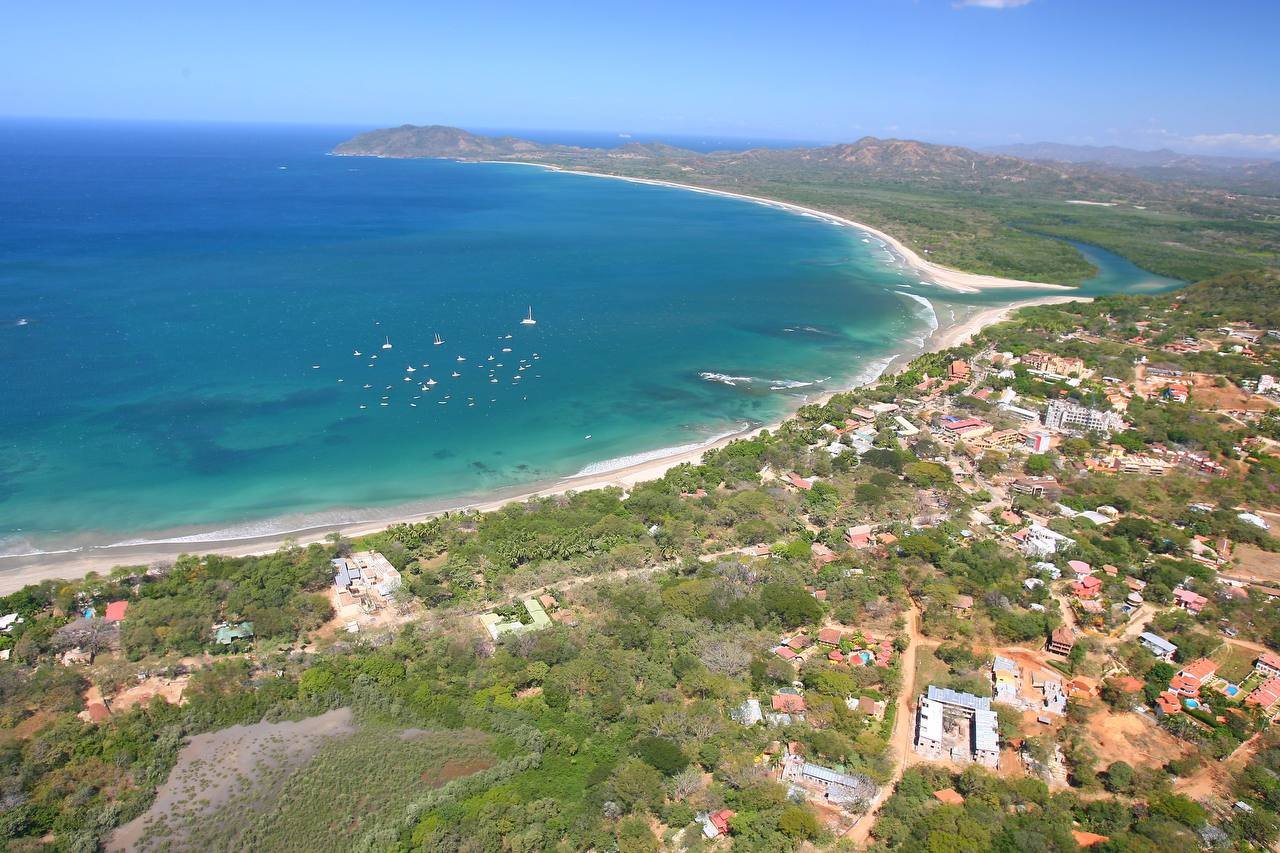
Investing in a large-scale, master-planned real estate project within a secure gate community offers a powerful strategy to achieve significant financial returns while simultaneously unlocking long-term residency or citizenship benefits. This approach is exceptionally compelling in premier destinations like Tamarindo, Costa Rica. A 100-acre development here can leverage the region’s robust tourism, consistent expatriate demand, and stable political climate. By strategically designing mixed-use zones that integrate residential villas, commercial hubs, and premium recreational amenities, investors can create a self-sustaining ecosystem that attracts high-value buyers and long-term tenants. Such a comprehensive tamarindo real estate development not only promises strong rental yields and capital appreciation but also aligns with legal frameworks that reward substantial investments with residency permits. A well-executed project in a secure, master-planned environment mitigates risks associated with market volatility, offering a holistic solution for wealth preservation and an enhanced quality of life.
Maximizing return on investment for a 100-acre development demands a phased and strategic approach that balances immediate revenue with long-term value creation. The process begins with exhaustive feasibility studies and market analysis to determine the optimal land use—residential, commercial, or a mixed-use blend—tailored to local demand in the Tamarindo area. Prioritizing foundational infrastructure, including roads, utilities, and sustainable features like solar power or water recycling systems, is non-negotiable. These not only reduce long-term operational costs but also significantly boost appeal to today’s eco-conscious market.
Segmenting the land into smaller, sellable lots or developing turnkey properties helps diversify income streams. Collaborating with reputable local architects and contractors is key to controlling construction expenses while ensuring full compliance with Costa Rican zoning and environmental laws. A robust marketing plan should target both domestic and international investors, emphasizing unique selling propositions such as beach proximity and exclusive community amenities. Maintaining rigorous oversight of construction timelines and budgets prevents costly overruns, and utilizing pre-sales can generate crucial early cash flow. By focusing on scalable, high-margin components and remaining adaptable to market trends, developers can realistically target annual ROI projections in the 15-20% range. For a deeper look at the local market dynamics, explore our guide on the Investment Potential of Costa Rican Beach Properties.
Real estate investment serves as a direct and proven pathway to securing legal residency in Costa Rica. The government incentivizes foreign capital by offering temporary and permanent residency permits to individuals who make qualifying investments, typically starting at $200,000, in approved developments such as a gated community in Tamarindo. The application process involves submitting proof of the investment, a clean criminal background check, and evidence of financial stability to immigration authorities.
Once granted, residency status provides the right to live, work, and access the country’s renowned healthcare and education systems, establishing a stable foundation for families, entrepreneurs, and retirees. This status can also act as a stepping stone toward citizenship, contingent on fulfilling further requirements like continuous residence. Engaging a legal expert specializing in Costa Rican immigration law is critical to ensure compliance, avoid documentation errors, and streamline the entire process. This dual-benefit strategy not only offers personal and familial security but also enhances the underlying investment’s attractiveness, as the added value of residency can drive higher demand and property values. Learn more about this process in our article, Gateway to Costa Rican Lifestyle and Legal Residency.
Choosing to invest in a gated community provides a suite of distinct advantages that translate directly into higher returns and lower risk profiles. The foremost benefit is enhanced security. Controlled access points, surveillance systems, and often on-site patrols offer residents unparalleled peace of mind, which in turn protects and bolsters property values.
These communities are typically master-planned with shared amenities such as swimming pools, fitness centers, parks, and clubhouses. These features significantly boost the quality of life and justify premium pricing and rental rates. In a high-demand tourist destination like Tamarindo, such developments attract a consistent flow of vacationers and long-term tenants, ensuring steady rental income and low vacancy rates. The built-in sense of community fosters valuable networking and stable neighbor relations.
From a pure investment standpoint, properties within gated communities historically appreciate faster than standalone equivalents due to their limited supply and high demand from security and amenity-focused buyers. Furthermore, they benefit from economies of scale in areas like landscaping, security, and general maintenance, which lowers the ongoing operational costs for individual investors. For insights into developing such a community, see Develop the Next Town in Tamarindo.
Accurately calculating your real estate return on investment requires a thorough analysis of all costs against projected revenues over your intended holding period. Start by tallying the total initial investment outlay. For a 100-acre development project in Tamarindo, this includes land acquisition costs, construction and development expenses, permit fees, and marketing expenditures.
Next, account for all ongoing operational expenses: property taxes, insurance, routine maintenance, management fees, and any utilities not covered by tenants. On the revenue side, project your income based on realistic market rental rates and expected occupancy levels. Don’t forget to factor in potential capital gains from property appreciation over time.
Key metrics to employ include: Cash-on-Cash Return: Measures the annual return on the actual cash invested. Net Operating Income (NOI): Total income minus operating expenses. * Internal Rate of Return (IRR): A comprehensive metric that accounts for the time value of money.
For instance, if your total project cost is $5 million and it generates an annual net income of $500,000, your ROI is 10%. Utilizing pro forma statements and conducting sensitivity analyses to model different scenarios (e.g., changes in interest rates or market demand) is essential for creating robust and realistic financial projections.
While Costa Rica does not offer a direct “citizenship by investment” program, its residency programs provide a clear and legal pathway that can lead to naturalization. By making a significant real estate investment—often in the range of $200,000 to $300,000—in a government-approved project like a Tamarindo gate community, investors can obtain temporary residency. This status can be renewed and eventually lead to permanent residency.
After maintaining permanent residency for several years (typically meeting physical presence requirements), investors become eligible to apply for citizenship through naturalization. This process involves thorough due diligence checks, application submissions, and sometimes interviews. Successfully obtaining Costa Rican citizenship grants a second passport, which offers benefits like visa-free travel to numerous countries, potential tax advantages, and full civic rights. It is imperative to work with experienced immigration attorneys to navigate this process, verify that the real estate project is approved for such applications, and ensure ongoing compliance. This pathway is a powerful tool for global mobility, security, and long-term portfolio diversification.
In summary, embarking on a 100-acre gate community development in Tamarindo presents a powerful, dual-pronged strategy for achieving substantial financial returns while securing valuable residency rights. By adhering to principles of strategic planning, legal diligence, and market-responsive development, investors can effectively mitigate risks while capitalizing on the area’s sustained growth. This comprehensive approach not only safeguards and grows capital but also paves the way for a privileged lifestyle in a secure paradise. For those pursuing a balanced and impactful investment, a meticulously planned tamarindo real estate development stands as a definitive route to realizing both wealth and wellness objectives. To begin exploring specific opportunities, consider reviewing our resource on Tamarindo Costa Rica Real Estate Investment.